


Isometric has released a protocol for carbon dioxide removal (CDR) via Agroforestry. This protocol outlines requirements and procedures for projects that remove carbon by planting or increasing forest cover integrated within agricultural landscapes.
Certification follows a comprehensive public consultation that included feedback from buyers, suppliers, and leading academics with expertise in agriculture, ecology, and sustainable development. Full details on the evolution of the protocol, and how Isometric addressed feedback from the consultation, are available in the changelog and public consultation summary.
As a carbon removal pathway, Agroforestry has the potential to remove up to 310 million tonnes of carbon dioxide from the atmosphere each year and encompasses a range of techniques that bring trees into farming systems.
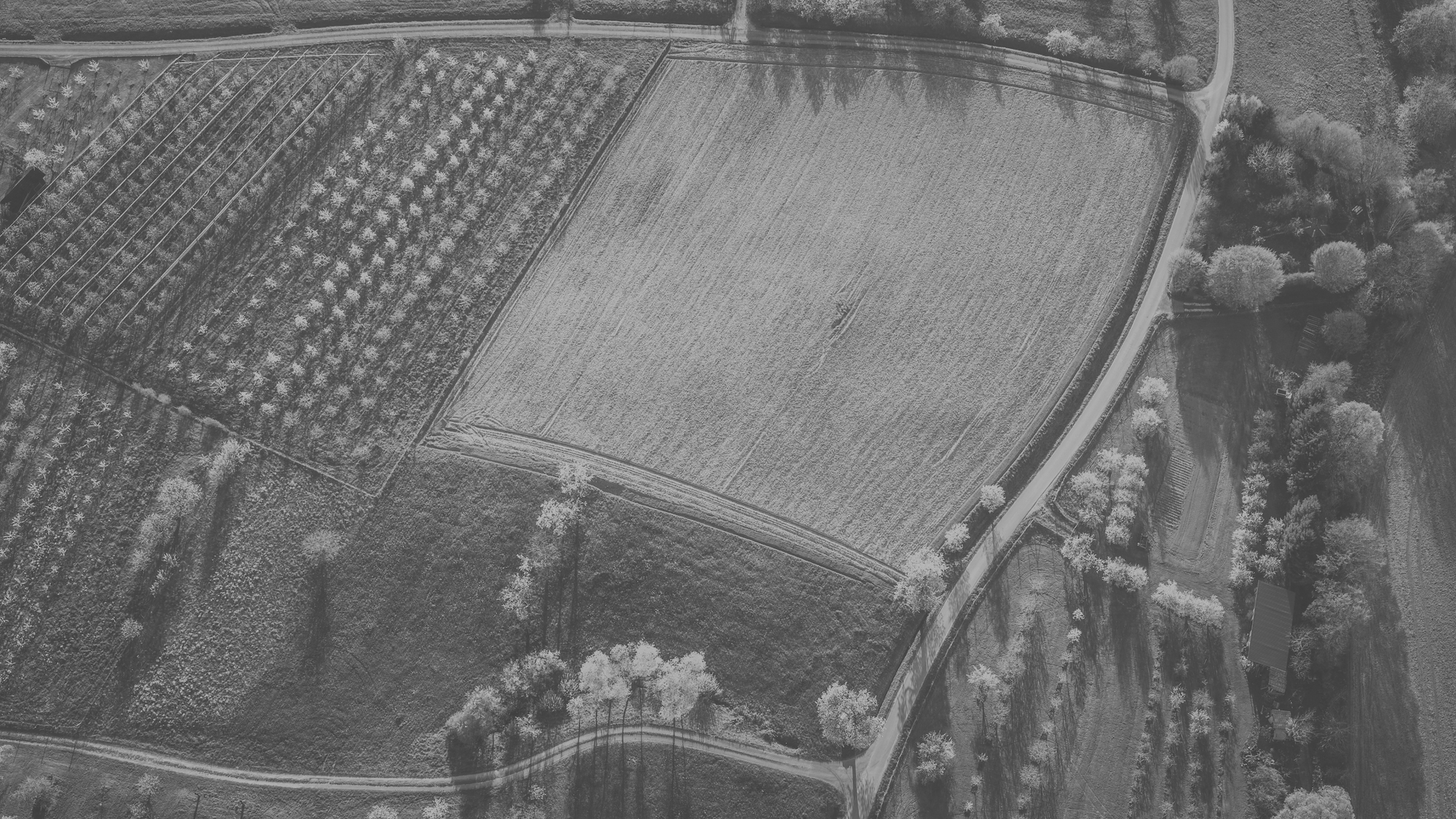
Silvopasture integrates trees into grazing land, giving livestock shade and forage while storing carbon. Alley cropping grows crops between rows of trees or shrubs, protecting plants and improving soil health. Orchards combine fruit or nut production with other farming activities. Windbreaks use rows of trees to protect soils, crops, and animals from strong winds. Riparian buffers establish trees and shrubs along rivers and streams to reduce erosion, filter water, and capture carbon.
Beyond carbon removal, agroforestry also provides important additional benefits, including increasing local climate resilience, strengthening food security, enhancing soil and water conservation, and creating new income streams for local communities.
The Agroforestry Protocol takes a scientifically rigorous approach to monitoring, reporting, and verification (MRV). It combines advanced remote sensing technologies—including satellite imagery and Light Detection and Ranging (LiDAR)—with detailed field measurements to ensure accurate carbon accounting. Projects must also use dynamic baselines by comparing project sites with similar reference areas in the same region, accounting for factors such as land use history, soil conditions, and local climate.
To maintain ecological integrity and maximize environmental benefits, the protocol requires that any non-agricultural vegetation must be native or adapted species to support biodiversity and ecosystem health.
Madhur Jain, the CEO and Co-founder of Varaha, said: "The certification of Isometric's Agroforestry Protocol marks an important milestone for integrating high-quality carbon removal with agriculture. Clear requirements on species selection and the use of dynamic baselines strengthen both ecological outcomes and technical credibility, supporting our mission to empower smallholder farmers as a key part of the climate solution."
This protocol was developed in line with the Isometric Standard, through collaboration between Isometric's in-house Science Team and reviewers from Isometric's independent Science Network of more than 400 academic experts and practitioners.
Read about why nature-based projects get overcredited, or learn more about Isometric's Biosphere Protocols.
